

Two recent World Leaks claims have surfaced alongside public transit-related technical issues in ways that appear unusual.
World Leaks, a data-extortion group that emerged from the rebranding of Hunters International, recently listed the Town of Blacksburg, Virginia, and the City of Los Angeles as victims on its leak site. Around the same time, transit systems tied in different ways to those governments experienced rider-facing information problems. In Blacksburg, a Blacksburg Transit notice said buses were not appearing on the live map or in the BT app while service continued to operate. DysruptionHub wrote Friday about LA Metro’s decision to limit access to some internal systems after detecting unauthorized activity, while real-time arrival information was affected on station monitors and other rider-facing tools.
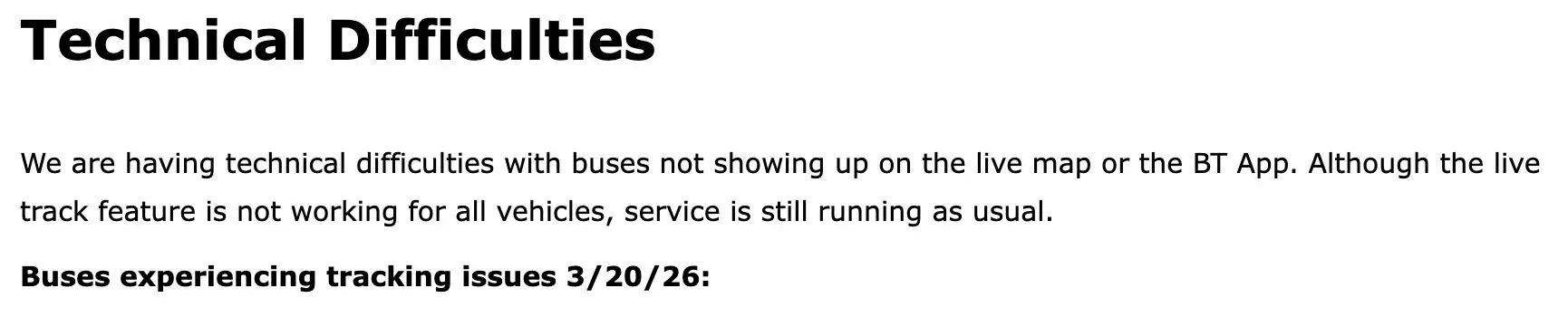
That overlap does not prove the incidents were connected. It does, however, stand out.
The similarities are narrow but notable. In both cases, the most visible public symptoms involved real-time passenger information rather than an announced halt to transit operations. Riders could still use service, but digital systems tied to visibility, tracking or arrival information appeared disrupted. That kind of symptom match, surfacing in close proximity to leak-site claims by the same extortion group, is enough to merit scrutiny.
There are also important differences.
In Blacksburg, transit is part of the Town of Blacksburg, which makes it easier to imagine how a town-level incident could surface first through a transit-related technical issue. In Los Angeles, the World Leaks claim named the City of Los Angeles, while the publicly visible disruption was at LA Metro, a separate transit authority. That distinction matters. It weakens any attempt to draw a straight line between the city claim and the Metro system issue.

Chip in once
If this reporting helped you, a one-time tip helps cover hosting, tools and future investigations.

Support us monthly
A small monthly pledge keeps independent coverage and our reader tools online for everyone.
There is also no public evidence showing that the two transit environments shared a common vendor, software dependency, managed service provider or intrusion path. Similar public symptoms can emerge from very different technical causes, especially in transit systems that rely on comparable categories of software for vehicle tracking, prediction engines, signage, apps and rider alerts.
DysruptionHub requested comment from Blacksburg Transit and will update this story if officials respond.
For now, the overlap is notable but unproven. That could change if additional evidence surfaces showing the systems shared a vendor, dependency or intrusion path.


