

A disruption that took public computers offline at three Clearwater, Florida, library branches in February has led to a felony charge against a former library technology employee, according to a Pinellas County affidavit.
A Pinellas County complaint and arrest affidavit alleges former Clearwater library employee Jeffery Scott Harmon used library credentials to remove security software from about 200 public-access computers used by library patrons. Harmon, 38, of Oldsmar, is charged with tampering with or contaminating a computer of a public utility, a second-degree felony under Florida law.
The affidavit says the conduct occurred Feb. 5 at Clearwater Main Library. Investigators alleged Harmon used a library administrative account to remove Deep Freeze security software from computers used by patrons across the Clearwater library system.
The filing says audit logs tied the activity to multi-factor authentication associated with Harmon and to a login from an IP address in Oldsmar, where he lives. Library computers were then shut down and taken offline, according to the affidavit.
In an email to DysruptionHub, Clearwater police spokesperson Rob Shaw said public-access computers at the Main, Countryside and North Greenwood libraries were affected. Shaw said Harmon worked as a business systems analyst for the library from July 10, 2017, until he resigned on Feb. 6, 2026. The city said the case remains open and active.
A Feb. 10 Facebook post from the Clearwater Public Library System said all public computers at those branches were out of service and directed patrons to alternate locations for computer access.

Chip in once
If this reporting helped you, a one-time tip helps cover hosting, tools and future investigations.

Support us monthly
A small monthly pledge keeps independent coverage and our reader tools online for everyone.
Defense attorney Ronald Frey said Harmon has pleaded not guilty. “Mr. Harmon served the City well during his tenure,” Frey said in a statement to DysruptionHub. “He entered a plea of not guilty and the matter remains in its early stages. Importantly, there are no allegations of any theft, fraud or misuse of personal information. We look forward to addressing this matter further throughout the court process.”
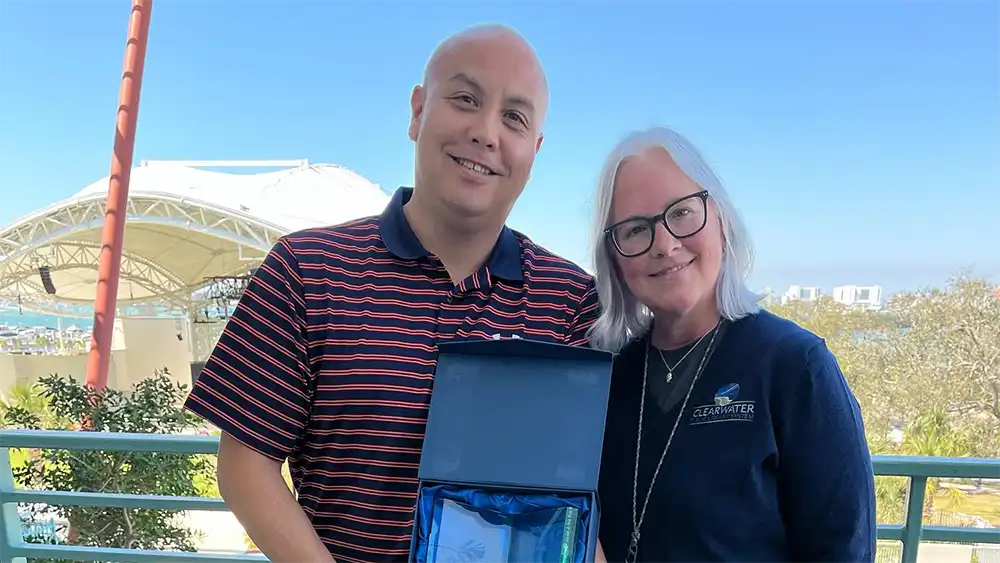
Library social media posts also identified Harmon as a business systems analyst and recognized him as employee of the year in 2021 and 2024.
The affidavit says Clearwater’s IT department provided information to investigators on Feb. 10 indicating suspected misconduct by a former employee. Court records show the felony charge was filed March 3 in Pinellas County.
The case also adds to a smaller set of recent incidents centered on alleged insider-linked disruption rather than ransomware. In Anthony, New Mexico, officials recently reported missing records, inaccessible systems and wiped devices after an administrative transition, while in Florida a former Walt Disney World employee was sentenced in a separate federal case tied to post-termination system access.
The case remains pending. If convicted, Harmon faces up to 15 years in prison under Florida law.


