

Websites operated by Elsevier, a scientific and medical publisher that supplies nursing schools with online learning tools, redirected visitors to an outside page Monday, disrupting Missouri nursing students’ coursework.
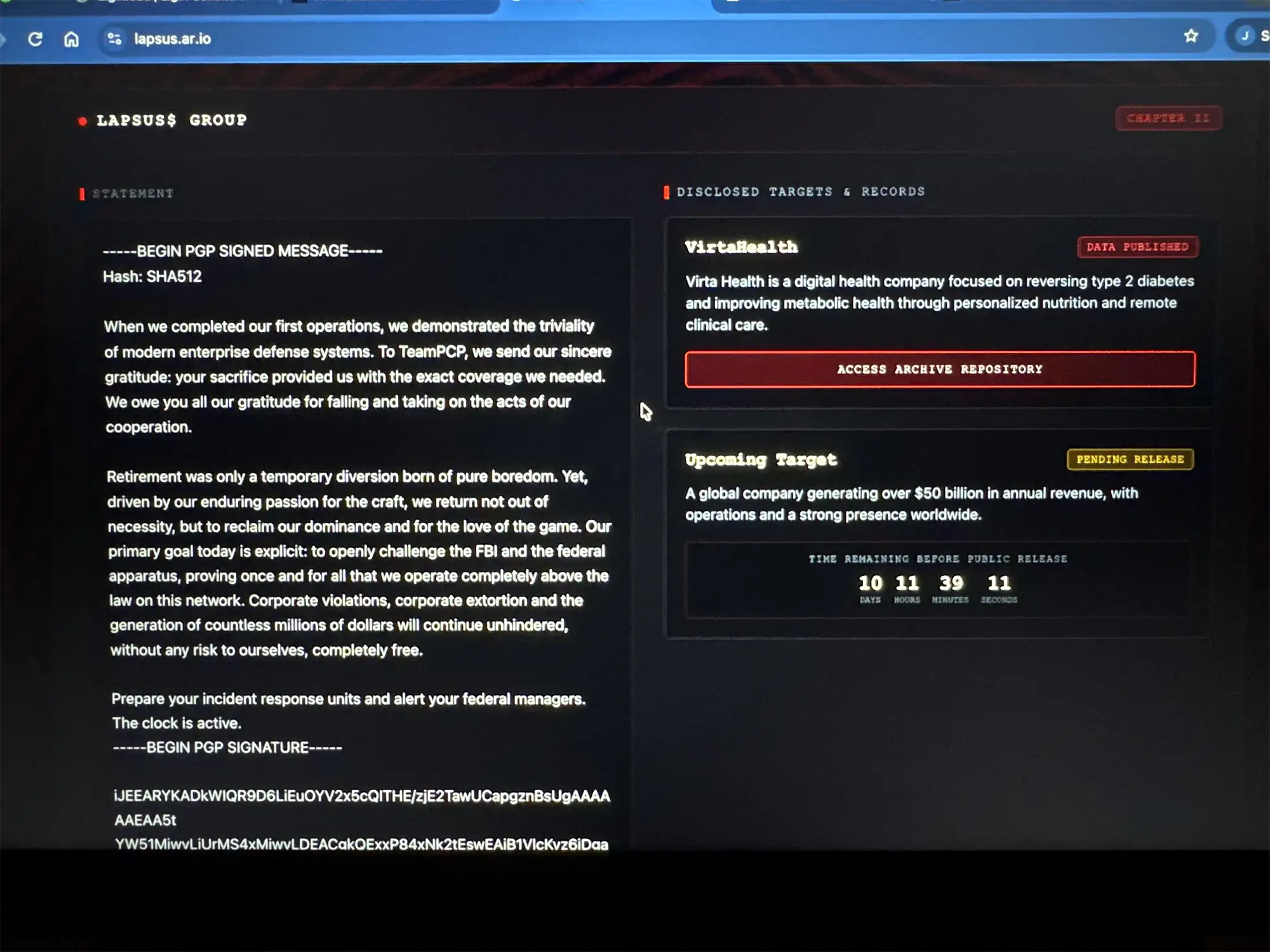
The page displayed LAPSUS$, the name of a hacking group known for stealing data and extorting organizations. Security firm Cloudskope observed redirects from Elsevier’s Evolve learning site, main website and manuscript-submission portal for at least 78 minutes.
At Truman State University in Kirksville, nursing students trying to use Elsevier for homework landed on the branded page, KTVO reported, citing the student newspaper. Elsevier’s Evolve platform gives nursing and health-professions students access to assigned materials and study tools.
Grand Canyon University’s tech-support team reported an outage affecting Evolve and other Elsevier resources. At Western Governors University, nursing students reported on Reddit that they could not access Elsevier quizzes and course materials.
Elsevier said its cybersecurity team restored normal service. In a statement to Help Net Security, the company said its investigation found no indication that core platforms, customer data, research content or operational systems were compromised.
The disruption also prompted a precaution in Idaho. Boise State University told the state attorney general it disabled single sign-on to Interfolio, a faculty activity system, while reviewing the Elsevier reports. It restored access Tuesday morning and said Interfolio and university-hosted services were not affected.

Chip in once
If this reporting helped you, a one-time tip helps cover hosting, tools and future investigations.

Support us monthly
A small monthly pledge keeps independent coverage and our reader tools online for everyone.
Elsevier is headquartered in Amsterdam and lists U.S. corporate offices in New York and Maryland Heights, Missouri.
Before Elsevier’s websites were redirected, cybersecurity company Securonix examined the LAPSUS$-branded page that visitors later reached. The version it reviewed showed an extortion announcement and countdown, but no form to collect passwords or code to deliver malware. Securonix could not identify who ran the page or connect them to the original LAPSUS$ group. Its findings did not establish who redirected Elsevier’s web traffic.
Elsevier has not said how the web addresses were redirected or how many visitors saw the page.


